Work With Me
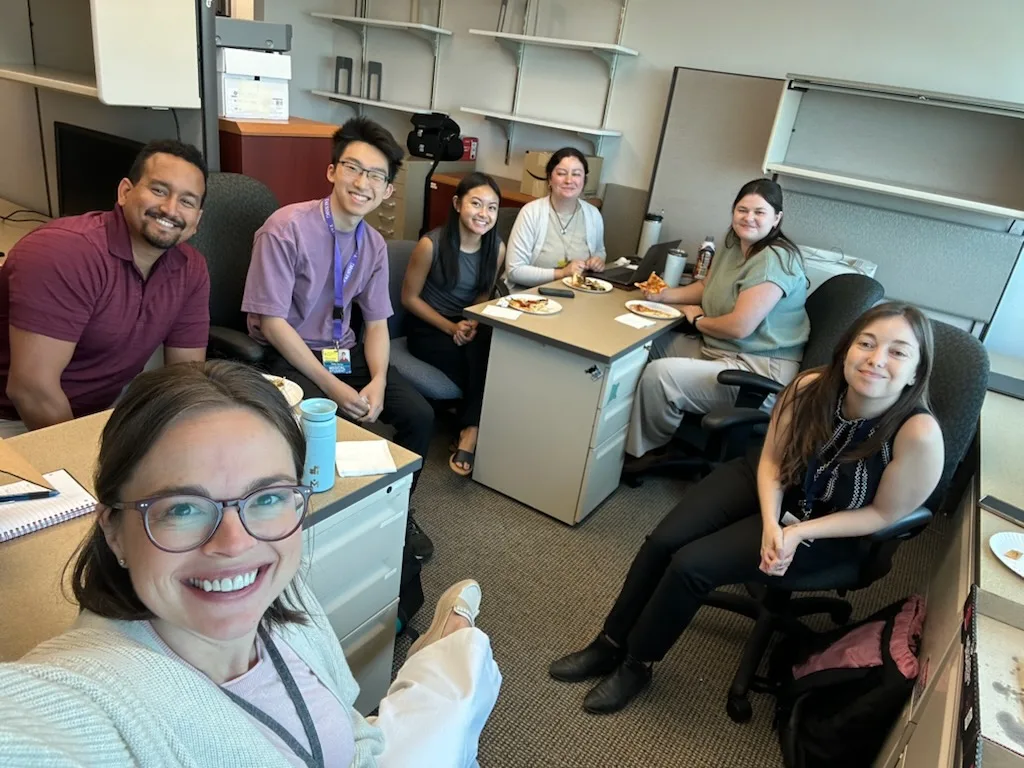
My research grew out of a simple question: why do some people get good pain care and others don't?
I co-direct the Hopkins Pain & Rehabilitation Lab with Dr. Rachel Aaron. This page describes what working with me on my research looks like, including how I mentor, collaborate, and work with trainees. I study how social and system-level factors shape pain outcomes, and I develop strategies to improve access to evidence-based care and help patients stay engaged in treatment. If that question interests you too, I'd love to hear from you.
How I work with trainees
I think the best research happens in teams, and the trainees I work with support each other across projects, not just their own. That means engaging with colleagues' work, offering feedback, and contributing to projects even when they aren't formally yours. The best papers and presentations that come out of my research tend to have fingerprints from multiple people on them, and that's by design.
Clear, proactive communication matters more to me than perfection. If you're unsure about a task, a deadline, or how to handle something, ask. If something comes up, whether it's exams, family, or a bad week, tell me early rather than late. There's no penalty for raising a question. There is a cost to staying silent when something isn't clear.
How I mentor
I think about mentorship as a developmental arc rather than a set of tasks. For undergraduates and research assistants, that usually means starting with foundational work like reading papers, writing memos, and contributing to data collection or qualitative coding, and then building toward more substantive involvement: poster presentations, co-authorship on manuscripts, and eventually leading first-author work. The pace and direction depend on you, but the expectation is that you'll grow into more over time.
I try to match projects to the skills you want to develop, not just the tasks I need done. If you're interested in qualitative methods, I'll pull you into interviewing and analysis. If you want to learn about measurement or implementation, there are projects for that. The goal is that when you leave, you have work you're proud of and skills that open doors to whatever comes next, whether that's graduate school, medical school, or a research career.
Postdoctoral fellows work more independently, with mentorship focused on building an independent research program, navigating grants, and preparing for faculty or other research careers.
Life in the lab
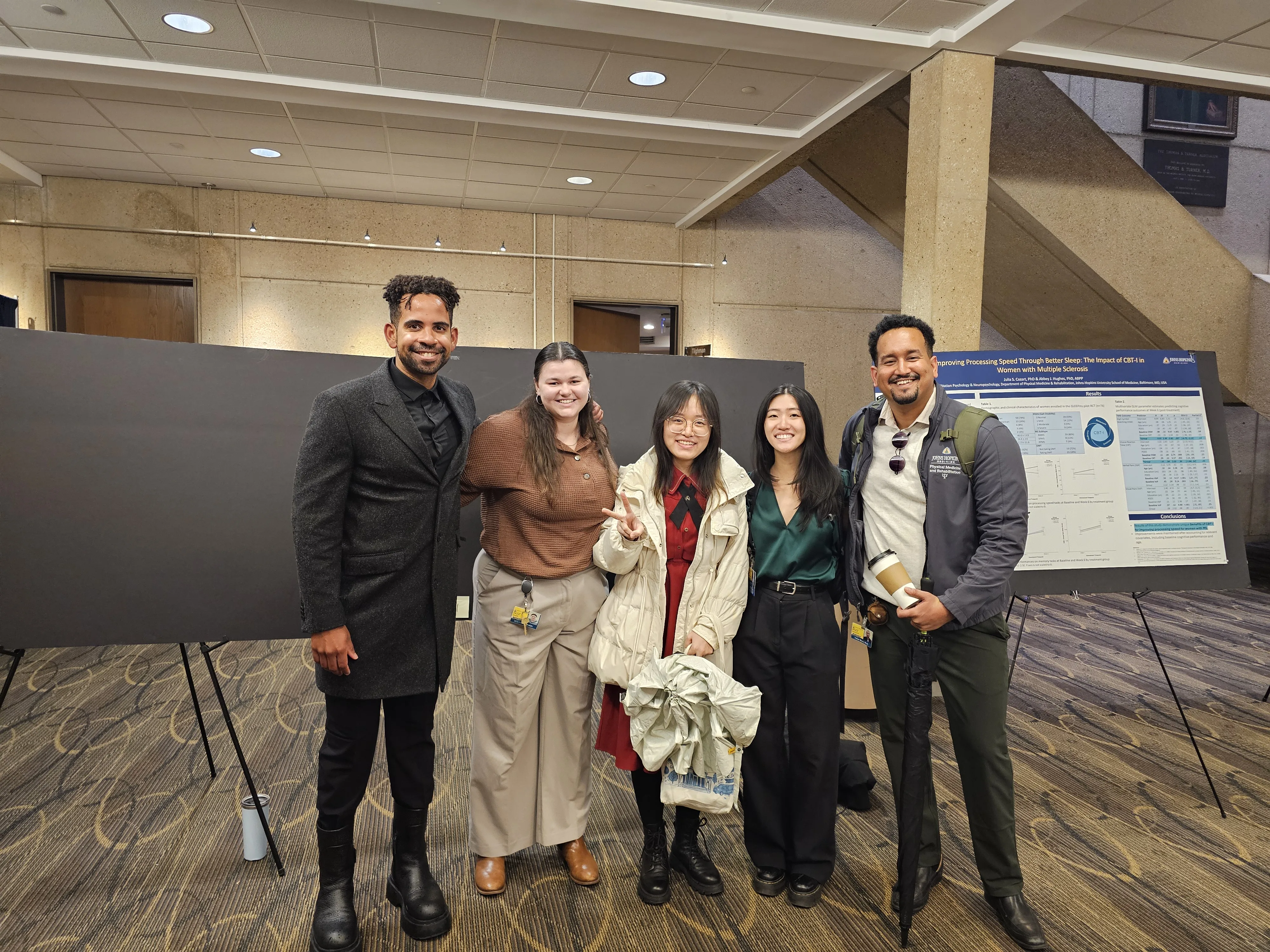
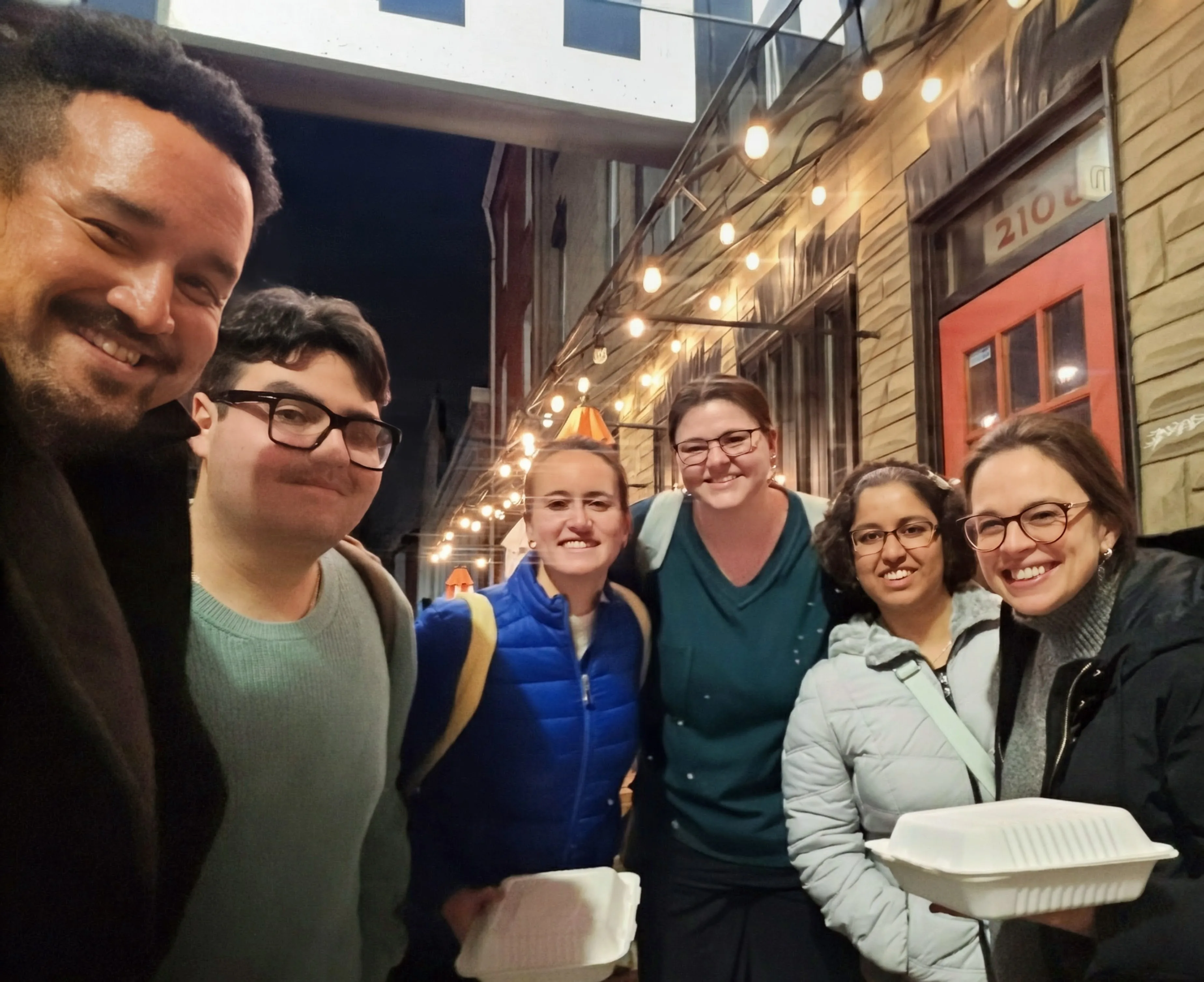
I take the work seriously and take the people I work with seriously, but I try not to take myself too seriously. We celebrate the start of semesters with team dinners, travel together to conferences when we can, and mark milestones (papers accepted, grants submitted, trainees moving on to their next step) as a group. Some of my favorite moments aren't in meetings at all. They're the dinner after a long conference day, or the hallway conversation that turns into a new paper idea.
Who tends to thrive here
People do well working with me when they're curious about why systems fail some patients and not others, comfortable with questions that don't have clean answers, and willing to communicate openly when things get hard. You don't need to come in with a fully formed research identity. Most people don't, and figuring that out is part of the work. What matters more is that you're engaged, thoughtful, and invested in doing things well.
Reaching out
I'm always interested in hearing from motivated students, trainees, and postdoctoral fellows who are thinking about pain, disability, rehabilitation, or the systems that shape access to care. If you'd like to explore working with me, send an email with:
- A brief note about what draws you to this work
- Your CV or resume
- A sense of your timeline and availability
If there's a potential fit, I'll follow up to set up a conversation. Before formally joining, we'll go over training onboarding, which covers expectations, time commitment, and the logistics of working together.